Trends
Simulations and immersive learning: what the evidence suggests
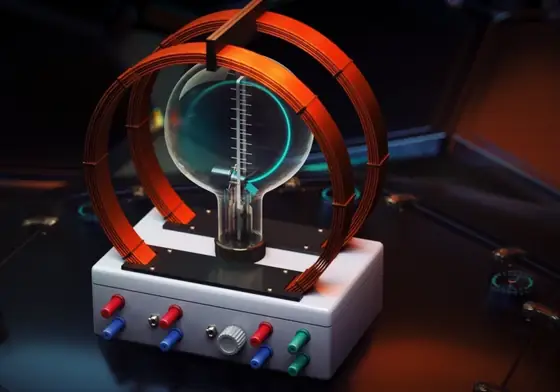
Simulations and virtual laboratories have been studied in science education for many years. While results vary with how they are used, the research offers useful lessons.
What studies tend to find
- Simulations can help learners understand concepts that are hard to observe directly, such as fields, particles and fast processes.
- Virtual labs can be as effective as physical labs for some learning goals, especially conceptual understanding, and are often more efficient.
- Combining virtual and physical experiences often works better than either alone.
What makes the difference
- Guidance: learners learn more with clear tasks and questions than with open exploration alone.
- Prediction: asking learners to predict before they experiment improves learning.
- Discussion: talking about results with peers and teachers deepens understanding.
- Teacher role: the teacher's questioning matters more than the technology.
Immersive headsets
Headsets can add engagement and a sense of presence, but most learning benefits come from good task design. Every Virtual Laboratory works on an ordinary screen.
Need for African evidence
Most research comes from outside Africa. More studies in African classrooms are needed, considering class sizes, connectivity and languages.
Join the research
VR Labs Africa welcomes partnerships with universities and researchers studying learning with virtual and real labs.