Primary science with The World Around Us
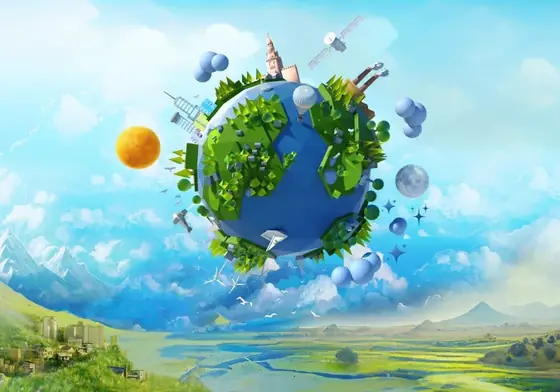
Curiosity starts early. Primary learners ask why the sky is blue, where rain comes from and why the Moon changes shape. The World Around Us lab turns these questions into short, interactive explorations.
What the lab covers
- plants, animals and habitats;
- weather and the seasons;
- the Earth, the Sun and the Moon;
- how people live, build and travel.
Teaching tips for young learners
- Keep it short: ten to fifteen minutes at the screen is enough.
- Talk first: ask what learners already know before they explore.
- Act it out: after exploring day and night, let learners act as the Sun, the Earth and the Moon.
- Draw it: finish with a drawing that shows what they learned.
Linking to the curriculum
Primary science and environmental activities across Africa share common themes: living things, the environment, weather, water and health. Use the lab to introduce a topic, then take learners outside to observe the real thing.
Language
Young learners learn best in a language they understand. Explain in the language of instruction your school uses, and introduce science words gradually.
Involving parents
Send home one question each week, such as "Why do we have day and night?", and ask learners to explain the answer to a family member.
Create a free account and explore the lab with your class.