How virtual labs will transform African schools
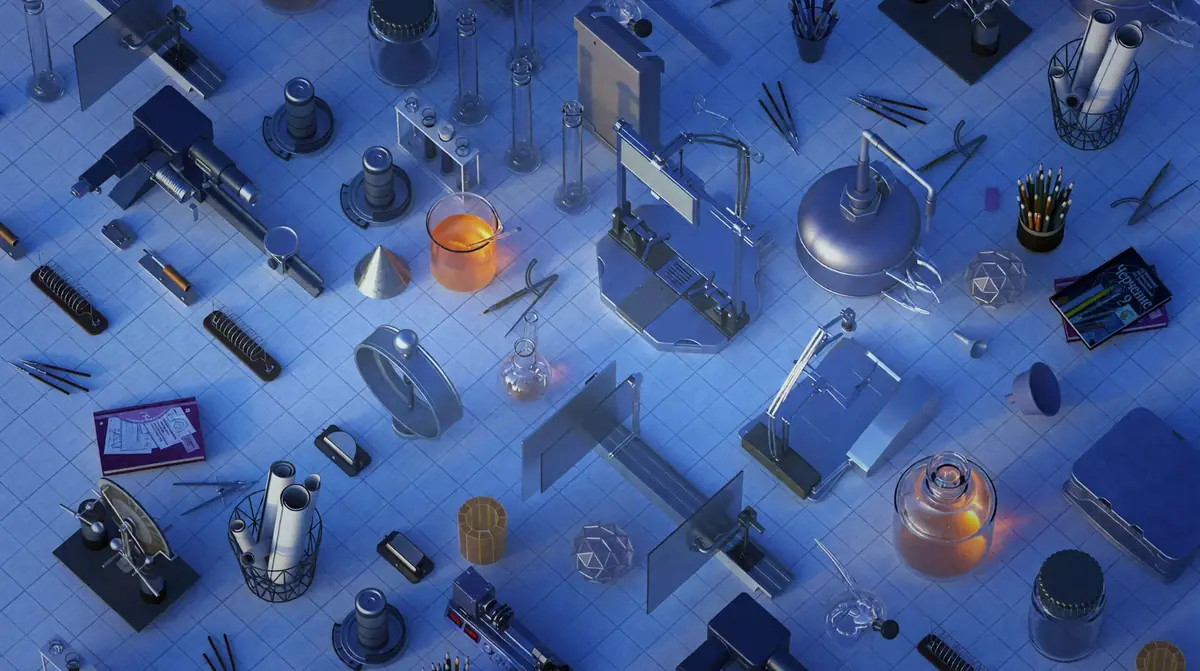
For generations, practical science in Africa has depended on whether a school happened to have a laboratory, equipment and a trained technician. Millions of learners have studied chemistry without ever holding a test tube. Virtual labs change that equation.
From privilege to universal access
Any school with computers and internet can now offer a full laboratory. A learner in a rural day school can use the same equipment as one in a well-funded city school.
From demonstration to doing
Instead of watching a teacher at the front, every learner sets up apparatus, takes readings and makes decisions. Doing science, not just reading about it, builds deeper understanding.
From one attempt to many
Real experiments are often done once. Virtual experiments can be repeated, changed and extended, which is exactly how real scientists work.
From danger to safe exploration
Learners can explore reactions and high voltages that would be too dangerous in a classroom, and learn why safety matters.
From abstract to visible
Magnetic fields, molecules and light rays become visible and interactive.
What changes for teachers
Teachers spend less time setting up and clearing away, and more time questioning, guiding and assessing.
What changes for exams
As practical skills become universal, exam boards can raise expectations for experimental design and data analysis.
What stays the same
Real equipment, real places and great teachers still matter. The future is blended: virtual labs for everyday practice, real labs and spaces like our IoT Lab in Nairobi for deeper experiences.
The long-term prize
A generation of African learners confident in science, ready to build the industries, infrastructure and innovations the continent needs.