How to run a science practical when your school has no lab
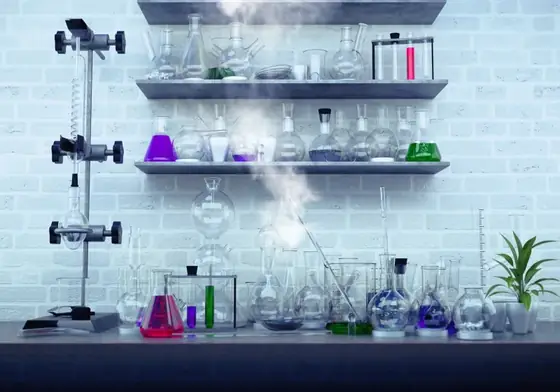
Across Africa, many secondary schools teach chemistry, physics and biology without a working laboratory. Some have a room but no reagents. Others share one set of glassware among hundreds of students. The result is familiar: practical work becomes a demonstration at the front of the class, or a description copied from the board.
Virtual laboratories do not replace every hands-on experience, but they close the biggest gap. Every student can set up apparatus, take readings and make mistakes safely.
Before the lesson
- Pick one skill, not a whole topic. For example: "measure the rate of a reaction" or "find the focal length of a lens".
- Open the lab yourself first. Spend ten minutes in the Virtual Laboratories so you know where the equipment is.
- Write a short worksheet with a question, a prediction box, a results table and a conclusion line.
During the lesson
- Five minutes: introduce the question and ask students to predict the answer.
- Twenty minutes: students work in pairs. One handles the equipment, the other records results, then they swap.
- Ten minutes: pairs compare results with another pair and explain any difference.
- Five minutes: you draw out the conclusion and link it to the exam question it answers.
When computers are limited
You do not need one device per student. A computer lab with one machine per pair works well. In a classroom with a single laptop and a projector, you can run the experiment live and let students call out each step. That still builds the habit of predicting and measuring.
What students gain
Students who have set up the apparatus themselves answer practical questions with more confidence, because they can picture the equipment. They also learn the scientific method by doing it: change one variable, keep the others fixed, measure, and decide what the results mean.
Next step
Create a free account on vr-labs.ru and try one lab before your next practical, or book a school demo and we will run the first lesson with your class.